
Mar 12, 2026
The Rise of Tactile & Imperfect Design in 2026
Design is shifting. The era of hyper-polished, pixel-perfect visuals is no longer enough to capture attention or build emotional connection. In 2026, designers are moving toward work that feels human, raw, and tactile. This shift is driven by fatigue from overly clean digital aesthetics and the rise of AI-generated visuals that lack personality. Imperfection is no longer a flaw—it’s becoming a strategic design choice.
Visual Culture
Hub
Recent
From Perfection to Presence
The industry is transitioning from precision-driven design to experience-driven design. Users are no longer impressed by flawless execution alone—they seek authenticity and emotional resonance.
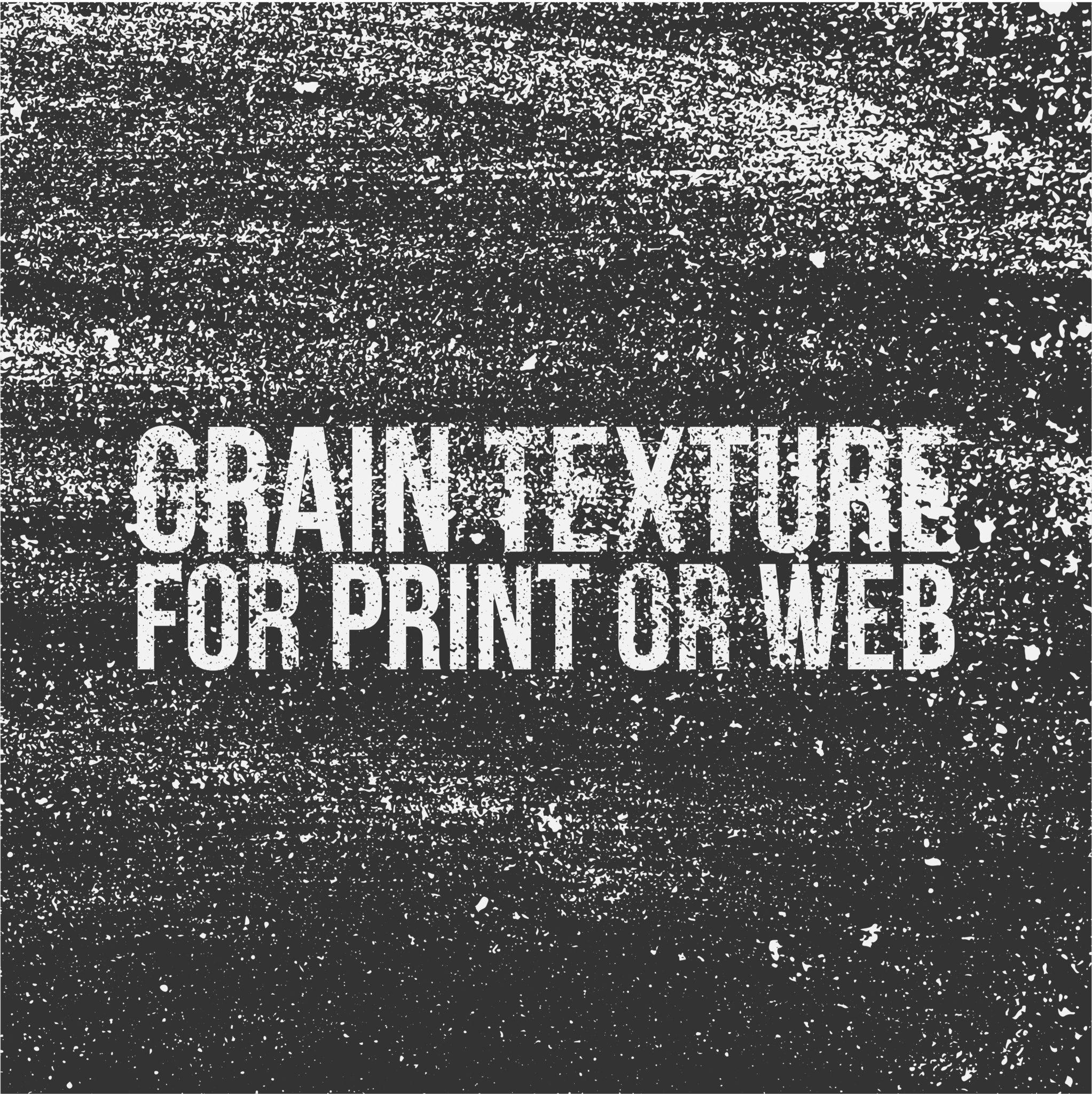
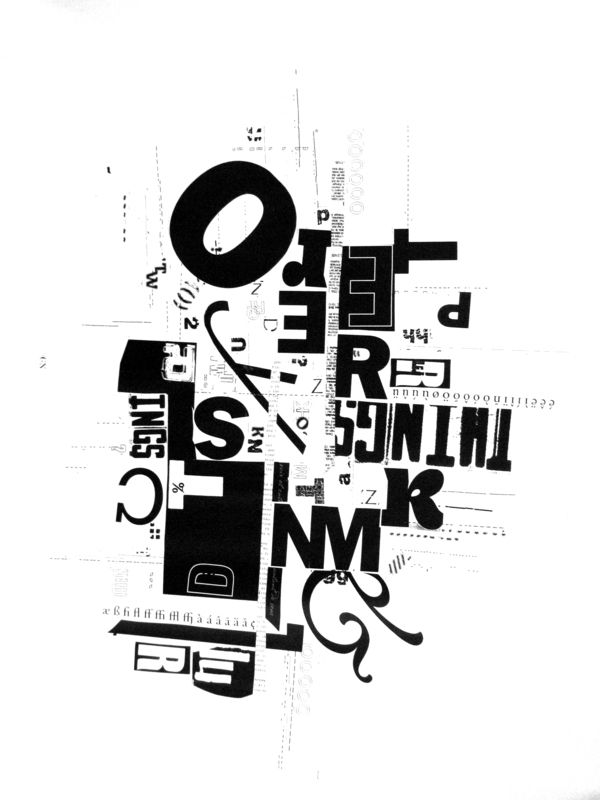
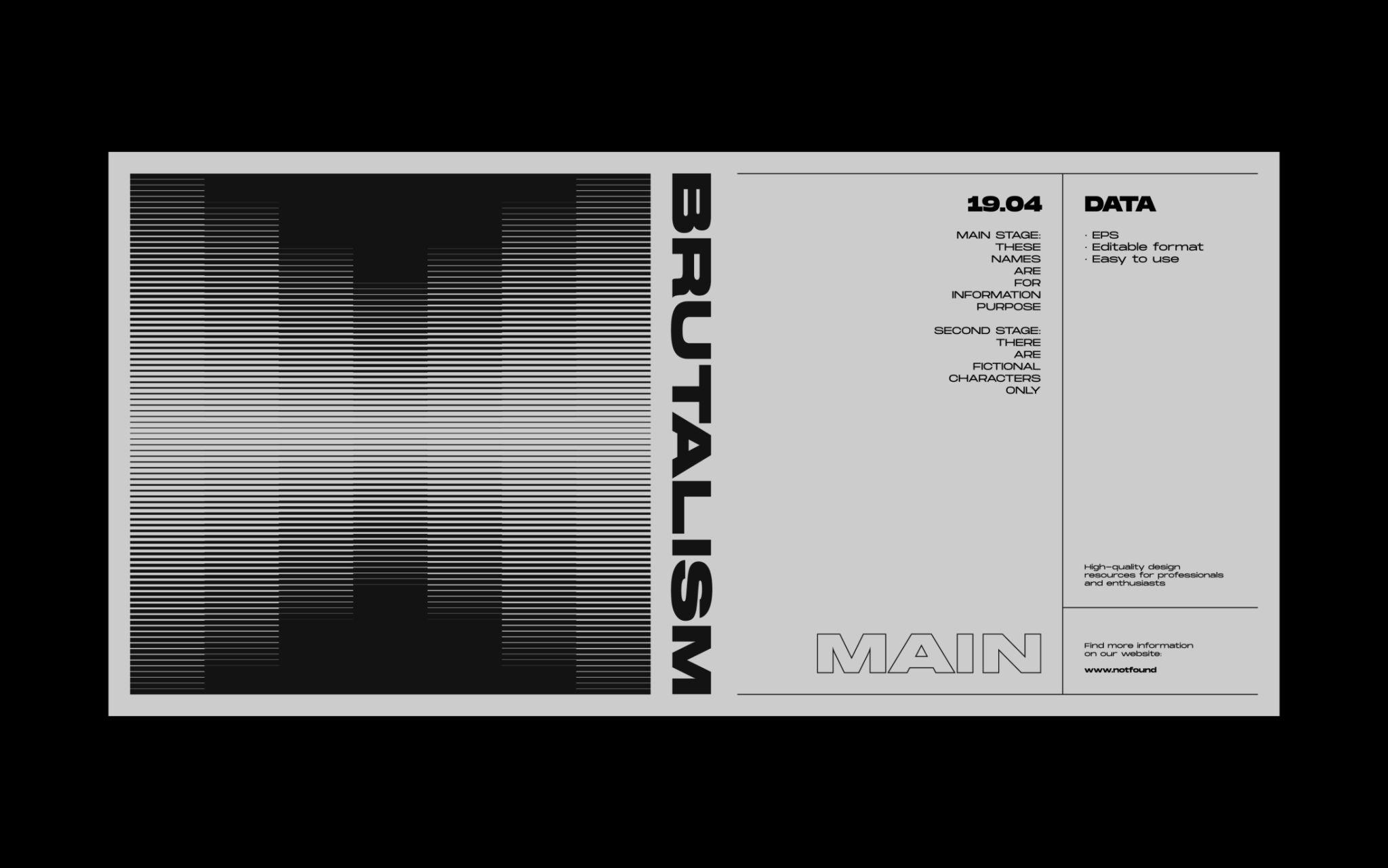
For years, minimalism dominated design systems—clean grids, neutral palettes, and predictable layouts. While functional, this approach often lacks character. Today, designers are intentionally breaking structure to introduce texture, irregularity, and visual depth. Grain overlays, collage compositions, distorted typography, and hand-drawn elements are redefining how visuals communicate.
This is not randomness, it’s controlled imperfection. The goal is to make digital experiences feel less mechanical and more human.
Designing for Emotion, Not Just Usability
Modern design is no longer just about solving problems, it’s about creating emotional impact.
As AI tools make it easier to generate clean and scalable designs, differentiation now comes from expression and storytelling. Tactile design introduces friction in a good way. it slows users down, makes them feel something, and creates memorability.
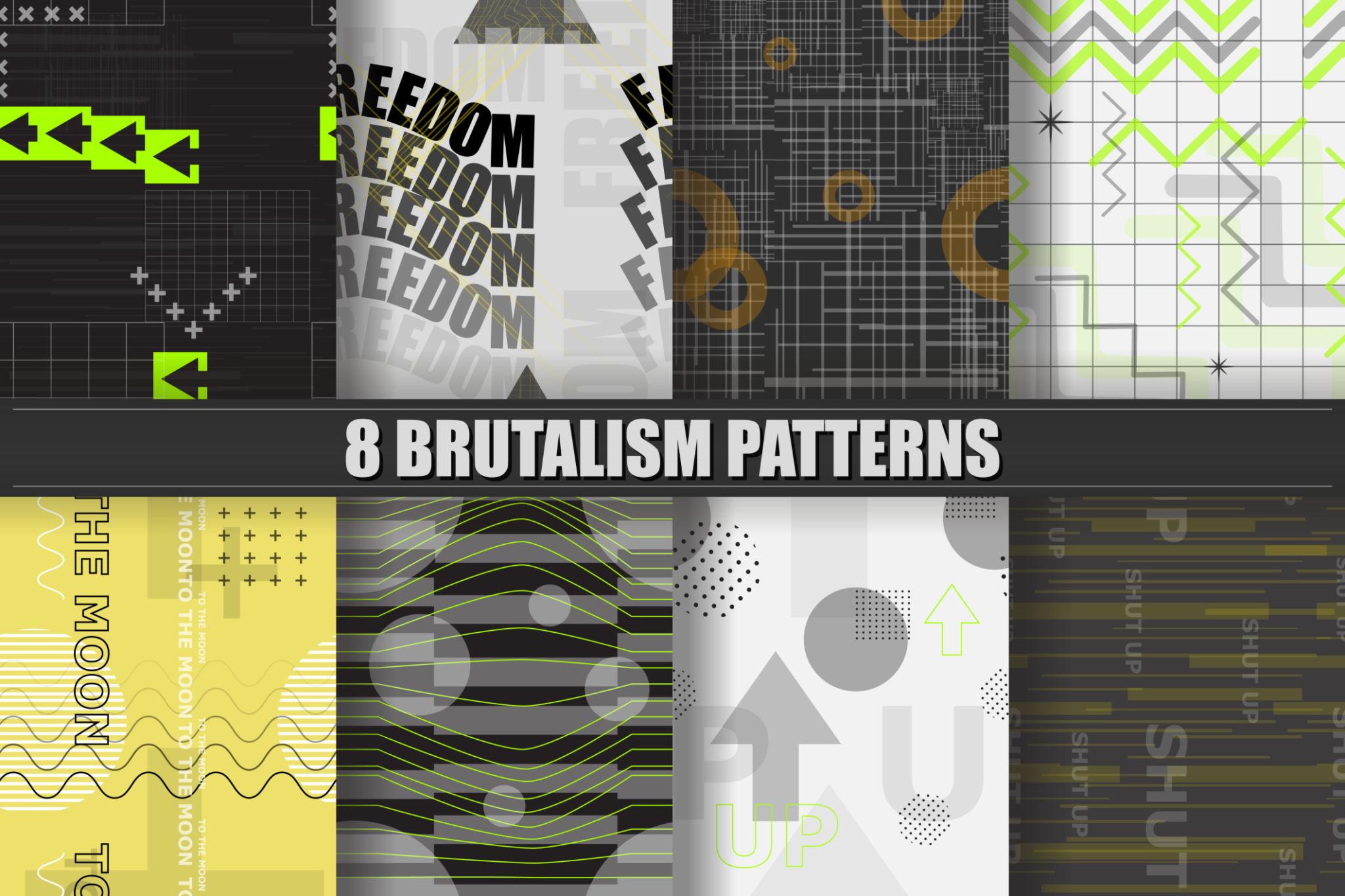
Brands adopting this approach appear more authentic and relatable. Whether through textured UI elements, experimental layouts, or mixed-media visuals, designers are redefining what “good design” looks like. The future is not about removing imperfections. it’s about using them intentionally to create meaning.
The Future Is Human
Imperfect design is not a trend, it’s a response to a deeper shift in how people connect with digital experiences.
Designers who embrace this shift will stand out in an oversaturated visual landscape. The focus is moving from perfection to personality, from systems to stories, and from clarity alone to emotional clarity.
The takeaway is simple:
The most impactful designs in 2026 are not the cleanest, they are the ones that feel real.

FAQ
01
What does a project look like?
02
How is the pricing structure?
03
Are all projects fixed scope?
04
What is the ROI?
05
How do we measure success?
06
What do I need to get started?
07
How easy is it to edit for beginners?
08
Do I need to know how to code?
Mar 12, 2026
The Rise of Tactile & Imperfect Design in 2026
Design is shifting. The era of hyper-polished, pixel-perfect visuals is no longer enough to capture attention or build emotional connection. In 2026, designers are moving toward work that feels human, raw, and tactile. This shift is driven by fatigue from overly clean digital aesthetics and the rise of AI-generated visuals that lack personality. Imperfection is no longer a flaw—it’s becoming a strategic design choice.
Visual Culture
Hub
Recent
From Perfection to Presence
The industry is transitioning from precision-driven design to experience-driven design. Users are no longer impressed by flawless execution alone—they seek authenticity and emotional resonance.
For years, minimalism dominated design systems—clean grids, neutral palettes, and predictable layouts. While functional, this approach often lacks character. Today, designers are intentionally breaking structure to introduce texture, irregularity, and visual depth. Grain overlays, collage compositions, distorted typography, and hand-drawn elements are redefining how visuals communicate.
This is not randomness, it’s controlled imperfection. The goal is to make digital experiences feel less mechanical and more human.
Designing for Emotion, Not Just Usability
Modern design is no longer just about solving problems, it’s about creating emotional impact.
As AI tools make it easier to generate clean and scalable designs, differentiation now comes from expression and storytelling. Tactile design introduces friction in a good way. it slows users down, makes them feel something, and creates memorability.
Brands adopting this approach appear more authentic and relatable. Whether through textured UI elements, experimental layouts, or mixed-media visuals, designers are redefining what “good design” looks like. The future is not about removing imperfections. it’s about using them intentionally to create meaning.
The Future Is Human
Imperfect design is not a trend, it’s a response to a deeper shift in how people connect with digital experiences.
Designers who embrace this shift will stand out in an oversaturated visual landscape. The focus is moving from perfection to personality, from systems to stories, and from clarity alone to emotional clarity.
The takeaway is simple:
The most impactful designs in 2026 are not the cleanest, they are the ones that feel real.
FAQ
01
What does a project look like?
02
How is the pricing structure?
03
Are all projects fixed scope?
04
What is the ROI?
05
How do we measure success?
06
What do I need to get started?
07
How easy is it to edit for beginners?
08
Do I need to know how to code?
Mar 12, 2026
The Rise of Tactile & Imperfect Design in 2026
Design is shifting. The era of hyper-polished, pixel-perfect visuals is no longer enough to capture attention or build emotional connection. In 2026, designers are moving toward work that feels human, raw, and tactile. This shift is driven by fatigue from overly clean digital aesthetics and the rise of AI-generated visuals that lack personality. Imperfection is no longer a flaw—it’s becoming a strategic design choice.
Visual Culture
Hub
Recent
From Perfection to Presence
The industry is transitioning from precision-driven design to experience-driven design. Users are no longer impressed by flawless execution alone—they seek authenticity and emotional resonance.
For years, minimalism dominated design systems—clean grids, neutral palettes, and predictable layouts. While functional, this approach often lacks character. Today, designers are intentionally breaking structure to introduce texture, irregularity, and visual depth. Grain overlays, collage compositions, distorted typography, and hand-drawn elements are redefining how visuals communicate.
This is not randomness, it’s controlled imperfection. The goal is to make digital experiences feel less mechanical and more human.
Designing for Emotion, Not Just Usability
Modern design is no longer just about solving problems, it’s about creating emotional impact.
As AI tools make it easier to generate clean and scalable designs, differentiation now comes from expression and storytelling. Tactile design introduces friction in a good way. it slows users down, makes them feel something, and creates memorability.
Brands adopting this approach appear more authentic and relatable. Whether through textured UI elements, experimental layouts, or mixed-media visuals, designers are redefining what “good design” looks like. The future is not about removing imperfections. it’s about using them intentionally to create meaning.
The Future Is Human
Imperfect design is not a trend, it’s a response to a deeper shift in how people connect with digital experiences.
Designers who embrace this shift will stand out in an oversaturated visual landscape. The focus is moving from perfection to personality, from systems to stories, and from clarity alone to emotional clarity.
The takeaway is simple:
The most impactful designs in 2026 are not the cleanest, they are the ones that feel real.
FAQ
What does a project look like?
How is the pricing structure?
Are all projects fixed scope?
What is the ROI?
How do we measure success?
What do I need to get started?
How easy is it to edit for beginners?
Do I need to know how to code?