Sep 14, 2025
From Screens to Spaces: The Rise of Spatial Design in AR/VR
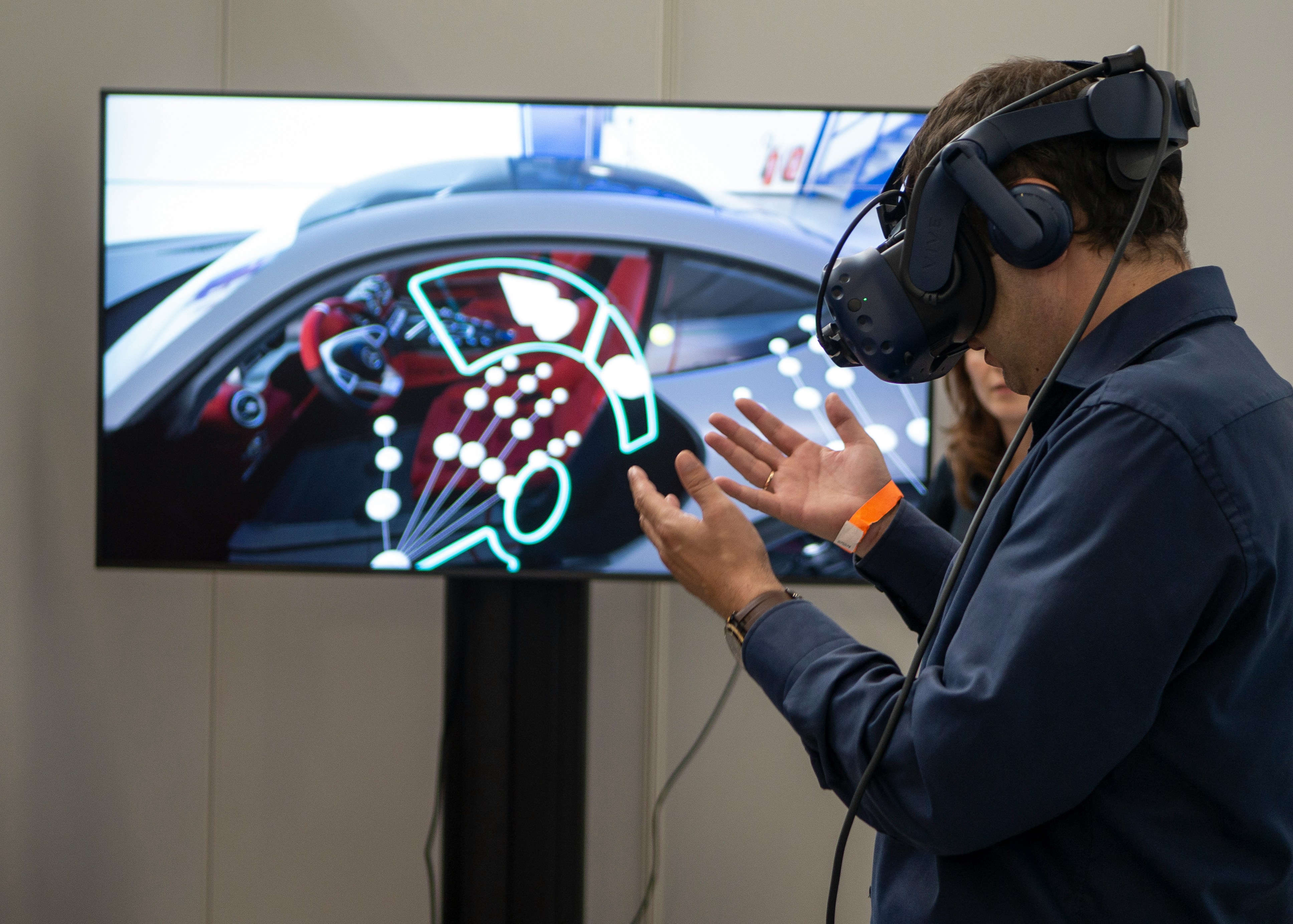
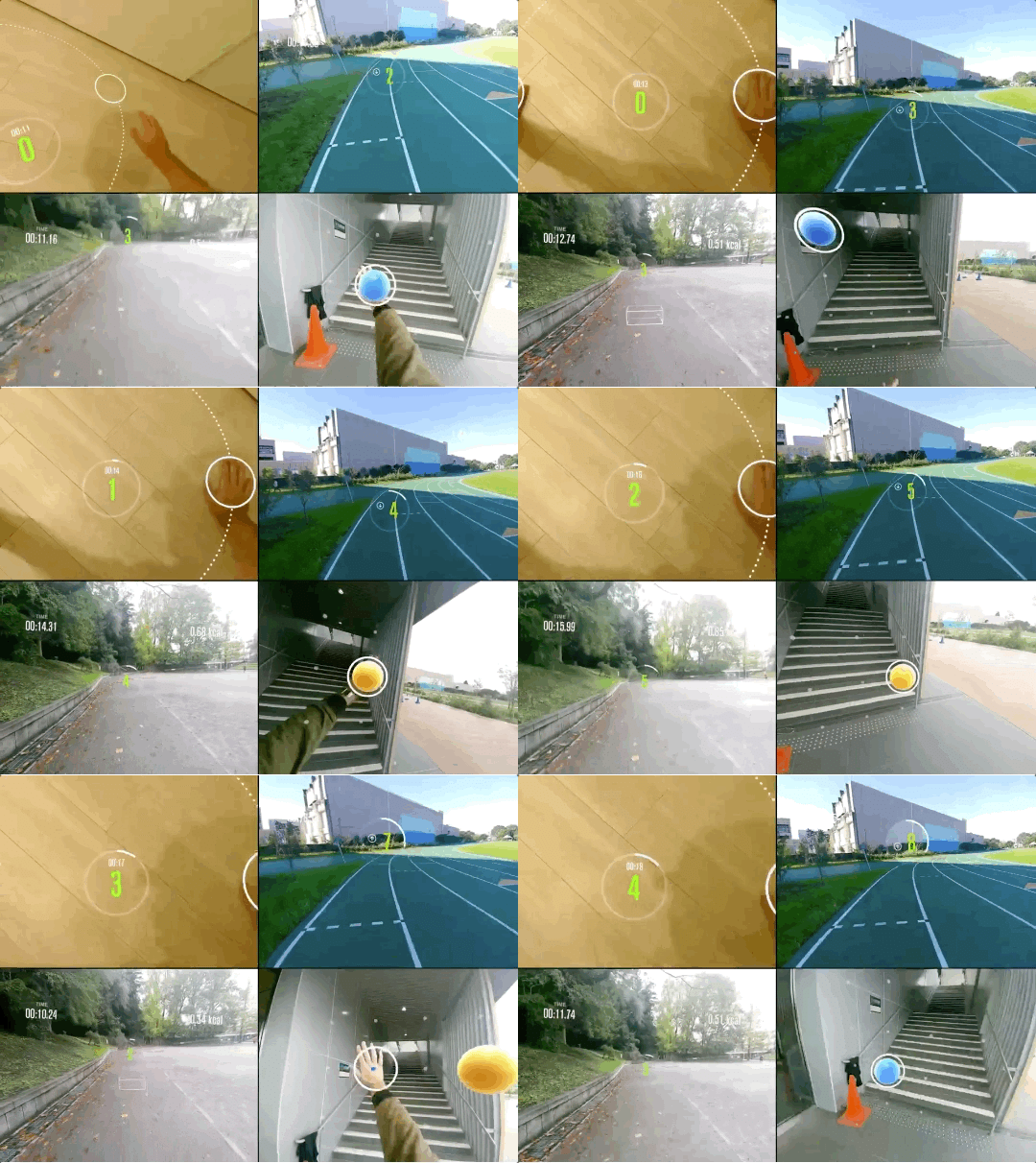
We are moving beyond screens. AR and VR are changing how we interact with digital content by placing it directly into our physical environment. Instead of tapping and scrolling, users are now moving, looking, and interacting in space. This shift is redefining what design means.
In 2026, spatial design is becoming a key skill. Designers are no longer working only with 2D layouts, they are designing 3D experiences that exist around the user. This requires a completely different way of thinking about interaction, usability, and storytelling.
AR/VR/XR/MR
Spatial design
Immersive tech
Designing in 3D Space
Spatial design focuses on how users interact with content in a physical environment.
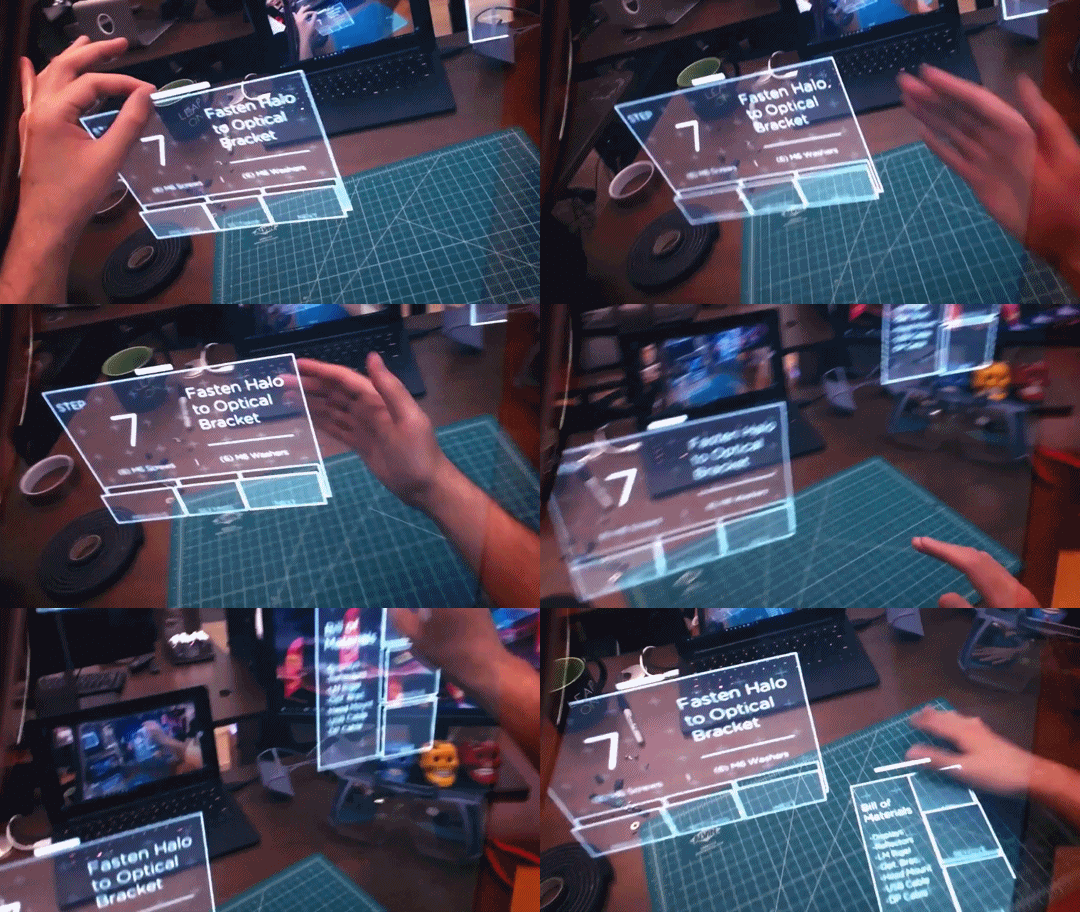
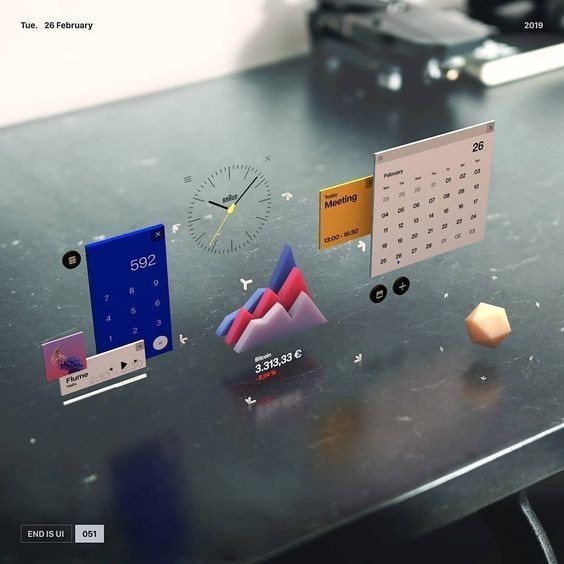
Unlike traditional interfaces, AR/VR experiences depend on distance, scale, and movement. Designers must think about where elements are placed, how users approach them, and how interactions feel in real space. A button is no longer just a button, it’s an object in the environment.
This makes design more complex but also more engaging. When done right, spatial design feels natural and immersive. When done wrong, it feels confusing and uncomfortable.
User Comfort & Interaction
Good AR/VR design prioritizes user comfort and clarity.
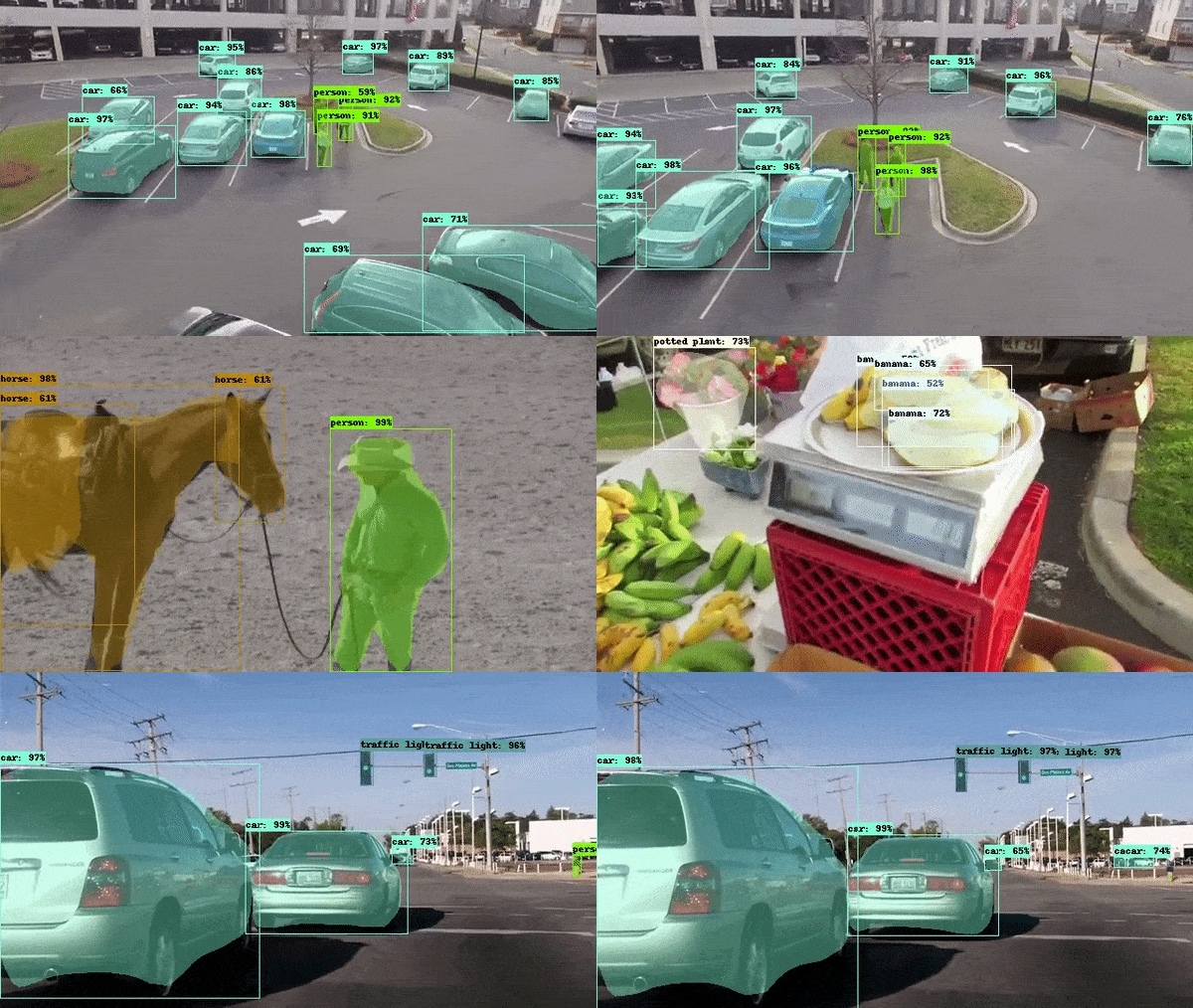
In spatial environments, usability is directly linked to physical comfort. Poor placement, excessive movement, or unclear interactions can quickly frustrate users. Designers must ensure that interactions are simple, intuitive, and easy to understand.
Gestures, gaze, and voice are becoming primary interaction methods. This means designers must rethink traditional UI patterns and create experiences that feel effortless.
The Future of Spatial Experiences
AR/VR will become part of everyday life, not just entertainment.
From retail to education, AR/VR is expanding into multiple industries. Virtual try-ons, immersive learning, and spatial navigation are just the beginning. As hardware improves, these experiences will become more seamless and accessible.
Designers who understand spatial thinking will be ahead of the curve. This is not just a trend, it’s the next evolution of interaction design.


FAQ
01
What does a project look like?
02
How is the pricing structure?
03
Are all projects fixed scope?
04
What is the ROI?
05
How do we measure success?
06
What do I need to get started?
07
How easy is it to edit for beginners?
08
Do I need to know how to code?
Sep 14, 2025
From Screens to Spaces: The Rise of Spatial Design in AR/VR
We are moving beyond screens. AR and VR are changing how we interact with digital content by placing it directly into our physical environment. Instead of tapping and scrolling, users are now moving, looking, and interacting in space. This shift is redefining what design means.
In 2026, spatial design is becoming a key skill. Designers are no longer working only with 2D layouts, they are designing 3D experiences that exist around the user. This requires a completely different way of thinking about interaction, usability, and storytelling.
AR/VR/XR/MR
Spatial design
Immersive tech
Designing in 3D Space
Spatial design focuses on how users interact with content in a physical environment.
Unlike traditional interfaces, AR/VR experiences depend on distance, scale, and movement. Designers must think about where elements are placed, how users approach them, and how interactions feel in real space. A button is no longer just a button, it’s an object in the environment.
This makes design more complex but also more engaging. When done right, spatial design feels natural and immersive. When done wrong, it feels confusing and uncomfortable.
User Comfort & Interaction
Good AR/VR design prioritizes user comfort and clarity.
In spatial environments, usability is directly linked to physical comfort. Poor placement, excessive movement, or unclear interactions can quickly frustrate users. Designers must ensure that interactions are simple, intuitive, and easy to understand.
Gestures, gaze, and voice are becoming primary interaction methods. This means designers must rethink traditional UI patterns and create experiences that feel effortless.
The Future of Spatial Experiences
AR/VR will become part of everyday life, not just entertainment.
From retail to education, AR/VR is expanding into multiple industries. Virtual try-ons, immersive learning, and spatial navigation are just the beginning. As hardware improves, these experiences will become more seamless and accessible.
Designers who understand spatial thinking will be ahead of the curve. This is not just a trend, it’s the next evolution of interaction design.
FAQ
01
What does a project look like?
02
How is the pricing structure?
03
Are all projects fixed scope?
04
What is the ROI?
05
How do we measure success?
06
What do I need to get started?
07
How easy is it to edit for beginners?
08
Do I need to know how to code?
Sep 14, 2025
From Screens to Spaces: The Rise of Spatial Design in AR/VR
We are moving beyond screens. AR and VR are changing how we interact with digital content by placing it directly into our physical environment. Instead of tapping and scrolling, users are now moving, looking, and interacting in space. This shift is redefining what design means.
In 2026, spatial design is becoming a key skill. Designers are no longer working only with 2D layouts, they are designing 3D experiences that exist around the user. This requires a completely different way of thinking about interaction, usability, and storytelling.
AR/VR/XR/MR
Spatial design
Immersive tech
Designing in 3D Space
Spatial design focuses on how users interact with content in a physical environment.
Unlike traditional interfaces, AR/VR experiences depend on distance, scale, and movement. Designers must think about where elements are placed, how users approach them, and how interactions feel in real space. A button is no longer just a button, it’s an object in the environment.
This makes design more complex but also more engaging. When done right, spatial design feels natural and immersive. When done wrong, it feels confusing and uncomfortable.
User Comfort & Interaction
Good AR/VR design prioritizes user comfort and clarity.
In spatial environments, usability is directly linked to physical comfort. Poor placement, excessive movement, or unclear interactions can quickly frustrate users. Designers must ensure that interactions are simple, intuitive, and easy to understand.
Gestures, gaze, and voice are becoming primary interaction methods. This means designers must rethink traditional UI patterns and create experiences that feel effortless.
The Future of Spatial Experiences
AR/VR will become part of everyday life, not just entertainment.
From retail to education, AR/VR is expanding into multiple industries. Virtual try-ons, immersive learning, and spatial navigation are just the beginning. As hardware improves, these experiences will become more seamless and accessible.
Designers who understand spatial thinking will be ahead of the curve. This is not just a trend, it’s the next evolution of interaction design.
FAQ
What does a project look like?
How is the pricing structure?
Are all projects fixed scope?
What is the ROI?
How do we measure success?
What do I need to get started?
How easy is it to edit for beginners?
Do I need to know how to code?